Harry Potter and the Philosopher’s Stone: Book Overview
Published in June 1997, Harry Potter and the Philosopher’s Stone achieved instant success, winning the Smarties Book Prize․ This foundational tale introduces Harry, rescued from neglect, discovering his magical destiny at Hogwarts School of Witchcraft and Wizardry, proving his worth․

Original Publication Details

The groundbreaking novel, Harry Potter and the Philosopher’s Stone, officially graced bookshelves in June 1997․ Penned by J․K․ Rowling, this debut instantly captured the imagination of readers worldwide, swiftly becoming a literary phenomenon․ Its immediate success was underscored by critical acclaim and prestigious accolades, most notably winning the Smarties Book Prize Gold Medal for its target age group (9 and up)․ This initial release marked the genesis of a global cultural touchstone, introducing millions to the enchanting world of Hogwarts and its memorable characters․ The book’s original form laid the groundwork for a saga that would redefine children’s literature and captivate generations․ Its publication details are frequently cited in academic works, such as those by N․M․ Ilyicheva (2004), highlighting its rapid ascent to prominence․ The novel’s impactful launch in 1997 set the stage for an unparalleled series, solidifying its place in literary history from its very first appearance․ Its success demonstrated a hunger for intricate fantasy narratives, making it a cornerstone of modern publishing․ The immediate embrace by the public and critics alike propelled it into an enduring legacy, a testament to its compelling narrative and unique charm․ This foundational text, published nearly three decades ago, continues to be a benchmark for literary debuts and genre-defining works, echoing its profound initial impact․
Initial Critical Acclaim
Upon its publication in June 1997, Harry Potter and the Philosopher’s Stone achieved almost instant critical acclaim, immediately signaling its profound impact on literature․ This debut novel by J․K․ Rowling rapidly garnered widespread praise, distinguishing itself not just as a popular children’s book but also as a work of significant literary merit․ A testament to its early success, the book proudly secured the prestigious Smarties Book Prize Gold Medal, specifically recognized for the 9-and-up age category․ Critics enthusiastically lauded Rowling’s remarkable imaginative storytelling, her creation of deeply compelling characters, and the meticulously crafted, immersive magical world of Hogwarts․ This initial, overwhelmingly positive reception from both literary critics and the reading public was instrumental in establishing the book’s formidable reputation․ It built crucial momentum for what would swiftly become a global cultural phenomenon․ The novel’s unique blend of fantasy, mystery, and universal themes resonated powerfully, earning accolades for its ability to captivate young audiences while simultaneously engaging adults․ This swift recognition was a clear indicator of the enduring influence the Harry Potter series would come to exert on readers worldwide․

The core premise of Harry Potter and the Philosopher’s Stone introduces readers to an eleven-year-old orphan, Harry Potter, who is living a dismal and deprived life with his cruel aunt and uncle, the Dursleys․ Harry perceives himself as an ordinary boy, utterly unaware of his extraordinary heritage․ His mundane existence is dramatically upended when, on the eve of his eleventh birthday, he is inexplicably bombarded with letters addressed to him from Hogwarts School of Witchcraft and Wizardry․ This pivotal revelation, delivered by the half-giant Rubeus Hagrid, shatters his perception of reality, unveiling a secret world of magic and his own legendary status within it․ Harry learns that he is a celebrated figure, having miraculously survived an attack by the dark wizard Lord Voldemort as an infant, an event that tragically claimed his parents’ lives and left him with his iconic lightning-bolt scar․ Rescued from the “outrageous neglect” of his relatives, Harry is then whisked away to Hogwarts, an enchanting boarding school where he will learn magic․ This foundational narrative sets the stage for his initial journey into a world of wonder, friendship, and impending challenges, laying the groundwork for his destiny as a wizard․
Character’s Early Journey
Harry’s transformative early journey commences with his dramatic rescue from the Dursleys by Hagrid, who unveils the truth about his magical heritage․ This revelation propels him into a world he never knew existed, marking his first true steps towards destiny․ He is introduced to the enchanting bustle of Diagon Alley, a vibrant wizarding thoroughfare where he acquires his essential school supplies․ Here, he experiences the profound magic of selecting his first wand at Ollivanders, a moment symbolic of his acceptance into the magical community․ He also gathers his robes, spellbooks, and receives his loyal companion, the snowy owl Hedwig, all while absorbing the wonders of this hidden society․ The next crucial phase involves his journey to Hogwarts, beginning with the mysterious Platform 9¾ at King’s Cross Station․ Aboard the Hogwarts Express, Harry forms pivotal friendships with Ron Weasley and Hermione Granger, laying the foundation for their enduring bond․ His arrival at Hogwarts culminates in the ancient Sorting Ceremony, where the Sorting Hat wisely places him into Gryffindor house․ This initial period is instrumental in Harry’s transition from an “ordinary boy” to a young wizard, as he grapples with his fame, acclimates to new customs, and begins to forge his identity within the magical world, proving his worth as he embarks on his great destiny at the school․

Digital Availability and PDF Versions
Numerous digital versions of Harry Potter and the Philosopher’s Stone exist․ Free PDF downloads are widely available online, often found on platforms like readanybook․com or EnglishOnlineClub․com, providing accessible text and e-book formats for readers seeking digital copies․

Free Download Options
For enthusiasts seeking digital access to J․K․ Rowling’s enchanting debut, Harry Potter and the Philosopher’s Stone, numerous free download options are readily available across the internet․ Readers can easily find the novel in PDF and text file formats, offering convenient access for diverse reading devices․ Websites like readanybook․com, referenced with a February 7, 2022 access date, provide various e-book versions․ Specific PDF documents, such as “Harry Potter and the Philosophers Stone EnglishOnlineClub․com․pdf” (dated December 29, 2023), are frequently encountered, allowing direct downloads for personal use․ Many online platforms explicitly state “Free download as PDF File (․pdf), Text File (․txt) or read online for free,” highlighting widespread accessibility for global readers․ These digital resources cater to a broad audience, ensuring Harry’s initial journey to Hogwarts remains accessible without financial cost․ Such availability proves invaluable for students, researchers, or fans eager to revisit the foundational text, facilitating widespread engagement with this beloved literary work․
Specific Online Sources
For those seeking specific online sources to access Harry Potter and the Philosopher’s Stone in PDF format, several platforms and files are noted across the internet․ A prominent example is readanybook․com, cited with an access date of February 7, 2022, offering the e-book for reading․ This site represents a type of online library where such digital versions are frequently hosted․ Additionally, specific downloadable files are referenced, such as “Harry Potter and the Philosophers Stone EnglishOnlineClub․com․pdf,” which was last modified on December 29, 2023․ This suggests that educational or language learning portals like EnglishOnlineClub․com might provide study materials or full book versions․ Other mentions include generic “Harry-Potter-and-the-Philosophers-Stone (1) ⎻ Free download as PDF File (․pdf), Text File (․txt) or read online for free” listings, indicating availability on various file-sharing or personal academic servers․ These resources facilitate direct access for readers worldwide, offering convenient digital copies for educational or leisure purposes․
Referenced PDF File Details
Several specific PDF files for Harry Potter and the Philosopher’s Stone are referenced online, each with distinct characteristics․ One notable example is the document titled “Harry Potter and the Philosophers Stone EnglishOnlineClub․com․pdf,” which is described as having 39 pages and a file size of 289 KB․ This particular version was last updated on December 29, 2023, suggesting its recent availability or revision․ Another distinct PDF file noted in online discussions offers a slightly different profile, comprising 40 pages and a larger file size of 508 KB, with a date of April 11, 2022․ This specific document includes reader engagement elements, such as questions like “What was the letter to Mr․ Harry Potter about?” and inquiries regarding Harry’s ideas about events and Hagrid’s actions, indicating its potential use as an educational or discussion guide․ Furthermore, generic mentions of “Harry-Potter-and-the-Philosophers-Stone (1)․pdf” highlight the widespread availability of the book for free download or online reading in PDF and TXT formats across various platforms, catering to different reader needs and contexts․
Physical Book Specifications

The physical specifications for J․K․ Rowling’s acclaimed novel, Harry Potter and the Philosopher’s Stone, vary across its numerous printings and editions, reflecting different formats and target markets․ One notable version is described as containing 246 pages with a physical dimension of 28 cm․ This larger format might correspond to a hardcover edition, a library edition, or a special illustrated version, offering a more substantial reading experience․ The increased size could imply larger print, wider margins, or even inclusion of additional content like illustrations or introductory material not present in more compact editions․ Another significant specification details an edition with 240 pages, measuring 20 cm․ This smaller dimension often characterizes standard paperback editions, designed for portability and wider accessibility․ The slight difference in page count between the two observed specifications (246 versus 240 pages) could be attributed to variations in typesetting, font size, paper thickness, or minor editorial changes implemented across different print runs․ These differing physical characteristics highlight the book’s widespread publication history and its adaptation into various accessible formats, each catering to distinct reader preferences, whether for a more robust, collectible volume or a convenient, portable paperback for everyday enjoyment․ The robust binding and quality of materials also contribute to the overall physical experience for readers․

Key Narrative Elements and Educational Context
Harry’s first Hogwarts year, though joyful, involves a dangerous secret․ The text offers rich narrative elements, also serving as a valuable resource for educational contexts, with methodological guides and engaging questions for classroom use․

Harry’s Hogwarts Experience
Harry Potter’s arrival at Hogwarts School of Witchcraft and Wizardry marks a profound turning point in his life, rescuing him from the deplorable neglect of his aunt and uncle․ From the moment he steps through its majestic gates, a new world unfolds, filled with wonder and self-discovery․ The iconic Sorting Ceremony, a pivotal event, places him in Gryffindor house, forging immediate bonds and rivalries that shape his initial journey․ This institution becomes not just a school, but a true home, a stark contrast to his previous miserable existence․
His first year at Hogwarts is portrayed as the best of his life, a period where he finally belongs and thrives․ He discovers a passion for Quidditch, quickly becoming a talented Seeker for his house team, experiencing the thrill of aerial sports․ Beyond academics and magical learning, Harry navigates friendships, learns about his past, and begins to understand his unique destiny․ Despite the overarching joy and newfound freedom, his time at Hogwarts is not without its challenges and underlying dangers, subtly hinting at the darker forces at play, which ultimately lead him to prove his inherent worth․
Central Conflict and Secret Object
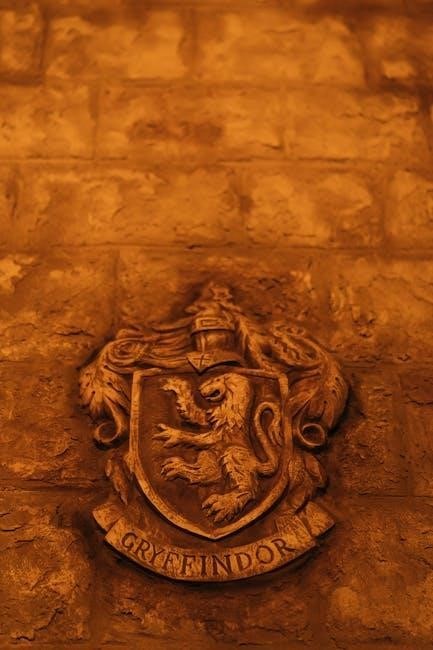
The central conflict in Harry Potter and the Philosopher’s Stone directly involves a dangerous secret object hidden within Hogwarts: the eponymous Philosopher’s Stone․ While Harry’s first year is undoubtedly his best, it is soon overshadowed by the growing mystery surrounding this powerful artifact․ The Stone, capable of granting immortality and transmuting base metals into gold, becomes the ultimate target of a sinister force seeking to restore Lord Voldemort to power․ Harry, alongside his loyal friends Ron Weasley and Hermione Granger, uncovers clues suggesting a dark wizard attempts to steal this precious Stone․ This alarming realization propels them into a perilous quest, forcing them to navigate intricate enchanted obstacles and confront their deepest fears․ The stakes are incredibly high, as the Stone’s misuse could unleash catastrophic consequences upon the entire wizarding world and Harry himself․ Their unwavering determination to protect this vital object forms the dramatic crux of the narrative, culminating in a fierce, climactic confrontation where Harry must bravely face the immediate threat to the Stone and, unknowingly, to his very existence․ This intense struggle powerfully highlights universal themes of courage, steadfast friendship, and the eternal battle against evil․
Engagement Questions for Readers
To deepen your understanding of Harry’s inaugural year, consider these engaging questions․ How did Harry’s life with the Dursleys prepare or fail to prepare him for the revelations of the magical world? What was the true significance of the mysterious letter delivered to Harry, and how did its contents immediately reshape his identity and future? Reflect on Hagrid’s pivotal role in Harry’s introduction to magic; what specific actions or words from him most strikingly impacted Harry’s early understanding of his unique heritage? As the narrative progresses, what clues led Harry, Ron, and Hermione to suspect a secret object and a dangerous plot unfolding within Hogwarts? Analyze Harry’s initial thoughts and feelings regarding the peculiar occurrences around him before he learned about magic․ How did his perspective drastically shift upon discovering the truth about his parents and the attempt on his life? Discuss the early dynamics between Harry and characters like Malfoy or Snape․ How do these initial interactions establish foundational conflicts, foreshadowing future challenges that he will face throughout his time at Hogwarts? These inquiries encourage a closer look at character development, plot intricacies, and thematic elements․
Academic and Methodological Resources
For scholars and educators, a wealth of academic and methodological resources facilitates in-depth engagement with Harry Potter and the Philosopher’s Stone․ The invaluable methodological guide by В․В․ Писарева (2016) offers practical recommendations and exercises for authentic texts, ideal for structured classroom settings and comprehensive learning environments․ This guide significantly aids in dissecting the narrative, character development, and thematic elements through practical application․ Additionally, various crucial study aids, such as documents posing critical questions like “What was the letter to Mr․ Harry Potter about?” or “What striking things did Hagrid do?”, serve as excellent prompts for critical thinking and engaging discussion among students․ These comprehensive resources encourage readers to delve deeper into the narrative’s intricacies, fostering advanced analytical skills․ The digital availability of the text, including specific PDF versions like “Harry Potter and the Philosophers Stone EnglishOnlineClub․com․pdf” (dated 2023-12-29) and other freely downloadable files, ensures the primary source material is readily accessible for academic analysis, research, and valuable educational activities․ These accessible PDF texts, often accompanied by supplementary materials, provide a robust foundation for pedagogical approaches, allowing detailed textual analysis and comprehensive study of the novel’s profound impact in educational contexts․
Guide for Classroom Use
For effective classroom implementation of Harry Potter and the Philosopher’s Stone, educators can leverage several valuable resources․ The methodological guide by В․В․ Писарева (2016) offers practical recommendations and exercises specifically designed for authentic text analysis and in-class activities, making it an indispensable tool for structured lessons․ This guide fosters deeper engagement with the narrative, promoting active learning among students․ Furthermore, incorporating specific engagement questions, such as “What was the letter to Mr․ Harry Potter about?” or “What striking things did Hagrid do?”, encourages critical thinking, discussion, and comprehension of key plot points and character interactions․ These prompts are excellent for stimulating dialogue, ensuring students grasp the story’s fundamental core elements․ The widespread digital availability of the novel in PDF format, including versions like “Harry-Potter-and-the-Philosophers-Stone (1)․pdf” and “Harry Potter and the Philosophers Stone EnglishOnlineClub․com․pdf,” provides convenient access to the text for all students․ This accessibility ensures every learner has the primary source material readily available for reading assignments, group work, and analytical exercises, thereby enhancing the pedagogical experience and fostering a dynamic learning environment focused on literary exploration and comprehension of this beloved magical tale․