Clear Liquid Diet: A Comprehensive Guide (Updated March 26, 2026)
This detailed guide provides essential information regarding clear liquid diets, focusing on preparation for procedures like upper endoscopy,
particularly when patients are undergoing GLP-1/GIP agonist therapy, which can impact gastric residual volume.
What is a Clear Liquid Diet?
A clear liquid diet is a short-term eating plan that consists only of foods and beverages that are transparent or see-through at room temperature. This means you can see through them – no pulp, solids, or dairy. It’s not intended to provide adequate nutrition long-term, serving instead as a preparatory step for medical procedures or to rest the digestive system.
The diet’s primary goal is to minimize residue in the intestines, crucial for procedures like colonoscopies or upper endoscopies. It allows for hydration and some caloric intake without stressing the gut. However, it lacks essential nutrients like fiber, fats, and proteins, making it unsuitable for prolonged use without medical supervision.
Importantly, continuing medications like GLP-1/GIP agonists while on this diet requires careful consideration due to potential impacts on gastric emptying and residual volume, a factor increasingly relevant in pre-endoscopy preparation protocols.
Why is a Clear Liquid Diet Prescribed?
A clear liquid diet is frequently prescribed for several key medical reasons. Primarily, it prepares the bowel for diagnostic procedures like colonoscopies and upper endoscopies, ensuring a clear view for accurate assessment. It minimizes intestinal residue, improving the effectiveness of these examinations.
Beyond diagnostics, it’s often recommended post-surgery to allow the digestive system to heal. It’s also utilized before certain surgeries to empty the bowel and reduce risks during the procedure. Furthermore, a clear liquid diet can provide temporary relief for gastrointestinal issues like nausea, vomiting, or diarrhea, giving the gut a chance to rest.
Recent considerations highlight the importance of monitoring gastric residual volume, especially in patients on GLP-1/GIP agonist therapy, as these medications can influence stomach emptying and necessitate adjustments to dietary restrictions.
Medical Conditions Requiring a Clear Liquid Diet
Several medical conditions necessitate the temporary adoption of a clear liquid diet. These include acute gastrointestinal illnesses like gastroenteritis, where the diet provides hydration and minimizes irritation. Following certain surgeries, particularly those involving the digestive tract, a clear liquid diet aids in the healing process by reducing digestive workload.
Patients experiencing severe nausea and vomiting, regardless of the cause, often benefit from this restricted diet. Conditions like diverticulitis flare-ups may also require it to allow the colon to rest. Preparation for procedures such as colonoscopies and upper endoscopies, especially with considerations for medications like GLP-1/GIP agonists impacting gastric emptying, frequently mandates a clear liquid regimen.
It’s crucial to remember this diet is typically short-term, designed to manage acute situations or prepare for specific medical interventions.
Before Starting a Clear Liquid Diet: Doctor’s Instructions
Strict adherence to your doctor’s instructions is paramount before commencing a clear liquid diet. Discuss any existing medical conditions, medications – particularly GLP-1/GIP agonists which can affect gastric residual volume – and allergies. Clarify the diet’s duration and specific reasons for its prescription, ensuring you understand the expected outcomes.
Your physician will provide a detailed list of permitted liquids and explicitly outline those to avoid. Inquire about potential side effects, such as hunger, weakness, or dehydration, and strategies for managing them. Understand the importance of maintaining adequate hydration and whether electrolyte supplementation is necessary.
Specifically, ask about timing relative to any scheduled procedures, like an upper endoscopy, and any adjustments needed based on your individual health profile.
Permitted Clear Liquids
This section details acceptable fluids, including water, clear broths, juices (apple, white grape), plain gelatin, popsicles without pulp, and limited tea/coffee options.
Water: The Foundation of the Diet
Water is absolutely crucial when following a clear liquid diet, serving as the primary source of hydration and supporting overall bodily functions. Aim for consistent intake throughout the day, even if you don’t feel particularly thirsty, as this diet lacks the fluid volume typically provided by solid foods.
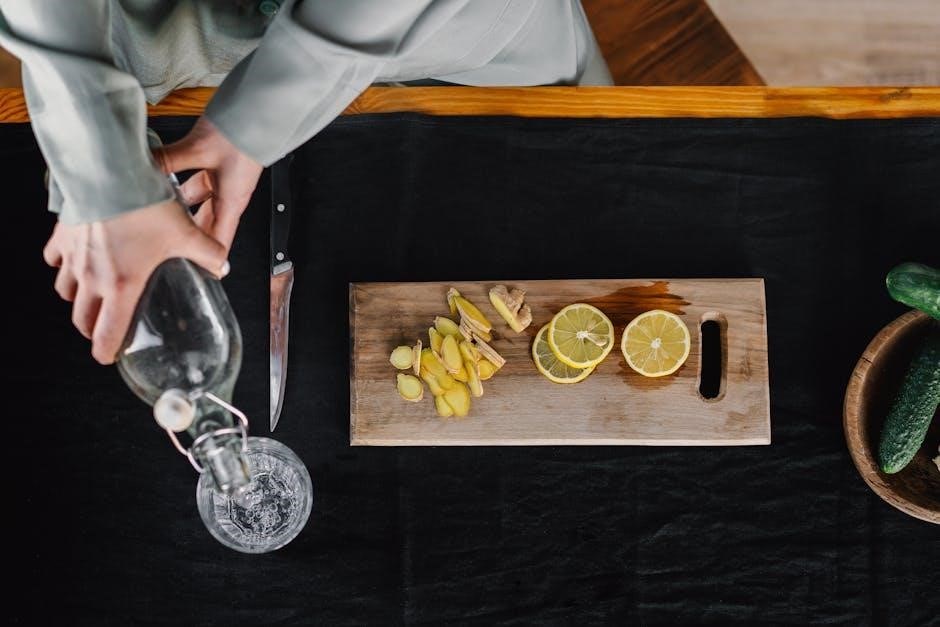
Sipping water frequently – perhaps every 15-20 minutes – is more effective than consuming large amounts at once, aiding in better absorption and preventing feelings of discomfort. Consider carrying a water bottle as a visual reminder to stay hydrated.
While plain water is ideal, you can also incorporate ice chips if consuming larger volumes feels challenging. Remember that adequate hydration is paramount to mitigating potential side effects like weakness and dizziness, common occurrences on a restricted diet. Prioritize water to maintain electrolyte balance and support your body during this temporary dietary phase.
Clear Broth: Chicken, Beef, or Vegetable
Clear broth – whether chicken, beef, or vegetable – provides essential electrolytes and a small amount of nourishment while adhering to the restrictions of a clear liquid diet. It’s a comforting and easily digestible option, particularly helpful when solid food intake is limited.
However, careful selection is key. Ensure the broth is completely clear, free from any solid particles, noodles, rice, or pieces of vegetables. Commercially prepared broths are often a safe bet, but homemade versions require meticulous straining.
Avoid broths with added fats or creamy textures, as these deviate from the diet’s guidelines. Sodium content can vary, so consider low-sodium options if you have blood pressure concerns. Broth can help combat feelings of hunger and weakness, offering a savory alternative to plain water and contributing to overall fluid intake.
Clear Fruit Juices: Apple, White Grape
Clear fruit juices, specifically apple and white grape, can contribute to your fluid intake and provide a touch of sweetness while following a clear liquid diet. These juices offer some essential vitamins, though their nutritional value is limited compared to whole fruits.
Crucially, the juice must be clear. This means absolutely no pulp or sediment is allowed. Straining is often necessary, even with commercially prepared juices, to ensure compliance. Avoid darker juices like orange, pineapple, or tomato, as they are considered cloudy and are prohibited.
Be mindful of sugar content, as excessive sugar intake isn’t beneficial, even on a restricted diet. Diluting the juice with water can help manage sugar levels. These juices can provide a palatable alternative to water, aiding in maintaining adequate hydration.
Plain Gelatin (Jell-O): Color Restrictions
Plain gelatin, commonly known as Jell-O, is generally permitted on a clear liquid diet, offering a simple and easily digestible source of fluids. However, strict color restrictions apply. Only clear, light-colored gelatin is allowed – think clear fruit flavors like apple or white grape.
Avoid any brightly colored gelatin, such as red (cherry, strawberry), orange, or purple. These colors indicate the presence of dyes or added ingredients that classify them as non-clear. Always check the ingredient list to confirm it contains no pulp, fruit pieces, or opaque additives.
Gelatin can help satisfy sweet cravings while adhering to the diet’s limitations. It’s a good option for those struggling with appetite or finding water unappealing, but remember it provides minimal nutritional value.
Clear Popsicles: Avoiding Pulp and Dairy
Clear popsicles can be a refreshing and appealing way to maintain hydration while following a clear liquid diet, especially when dealing with nausea or difficulty consuming larger volumes of fluids. However, careful selection is crucial to ensure compliance.
Only popsicles that are completely clear and free of any pulp, fruit pieces, or added dairy are permitted. Avoid popsicles with vibrant colors or cloudy appearances, as these often contain ingredients that violate the diet’s restrictions. Always scrutinize the ingredient list.
Look for popsicles specifically labeled as “clear” or made with clear fruit juices like apple or white grape. Homemade options are ideal, allowing complete control over ingredients. Remember, the goal is a liquid that leaves no residue.
Tea and Coffee: Limitations on Additives
Both tea and coffee are generally permissible on a clear liquid diet, offering a familiar comfort during a potentially restrictive eating period. However, strict adherence to limitations regarding additives is paramount to avoid violating the diet’s core principles;
Coffee and tea must be consumed without any milk, cream, or non-dairy substitutes. Sugar is also typically restricted, though a very small amount may be permitted depending on your doctor’s specific instructions. Avoid flavored coffees or teas containing added ingredients.
Opt for plain black coffee or unsweetened tea. Herbal teas are often a good choice, but double-check the ingredient list to ensure they don’t contain any solid particles or prohibited components. Remember, clarity is key!
Foods to Avoid on a Clear Liquid Diet
Strict avoidance of solid foods, dairy, cloudy juices, alcohol, and carbonated beverages is crucial for successful adherence to this temporary dietary regimen.
Solid Foods: Absolutely Prohibited
The cornerstone of a clear liquid diet is the complete elimination of all solid foods. This isn’t merely a reduction in texture; it’s a total cessation of anything that isn’t liquid at room temperature. This includes, but isn’t limited to, meats, poultry, fish, and all types of vegetables and fruits – even those that might seem easily digestible.
Grains, breads, cereals, pasta, rice, and any baked goods are also strictly off-limits. Nuts, seeds, and any food containing these ingredients must be avoided. Even seemingly small solid particles can interfere with the purpose of the diet, whether it’s preparing for a medical procedure or allowing the digestive system to rest.
The goal is to minimize any stimulation to the gastrointestinal tract, and solid foods inherently require more digestive effort. Therefore, unwavering adherence to a solely liquid intake is paramount during the prescribed period.
Dairy Products: Milk, Yogurt, Cheese
Dairy products, in all their forms, are strictly prohibited on a clear liquid diet. This encompasses not only obvious choices like milk – whether whole, 2%, skim, or flavored – but also extends to yogurt, even those marketed as “light” or “low-fat.” The proteins and fats within dairy contribute to a cloudy appearance, disqualifying them from the “clear” designation.
Cheese, in any variety (hard, soft, cream cheese, etc.), is also completely excluded. Butter and margarine fall into the same category, as they are not clear liquids. Even small amounts of dairy can disrupt the diet’s purpose, particularly when preparing for procedures like an upper endoscopy.
Dairy’s potential to leave residue in the digestive tract is a key reason for its exclusion, ensuring optimal visualization during medical examinations. Alternatives like plant-based milks are not permitted unless specifically approved by your doctor.
Cloudy Juices: Orange, Pineapple, Tomato
A crucial aspect of adhering to a clear liquid diet is the avoidance of any juice that isn’t completely transparent. This means popular choices like orange juice, pineapple juice, and tomato juice are strictly off-limits. The pulp and natural solids present in these juices render them “cloudy,” violating the diet’s core principle.
Even if strained, these juices often retain enough particulate matter to be considered non-clear. Concentrated juice diluted with water doesn’t make it compliant either; the resulting liquid will still lack the necessary clarity. The goal is to consume only liquids you can easily see through without any visible sediment.
This restriction is particularly important when preparing for medical procedures, as any residue can interfere with accurate visualization. Opt for approved clear juices like apple or white grape juice instead, ensuring they are 100% juice with no added pulp.
Alcoholic Beverages: Strict Avoidance
The consumption of alcoholic beverages is absolutely prohibited while following a clear liquid diet. This isn’t merely a restriction based on the liquid’s opacity, but also due to the detrimental effects alcohol can have on the body, especially when preparing for medical procedures or managing certain health conditions.
Alcohol can irritate the digestive system, potentially exacerbating existing issues or interfering with healing. It can also interact negatively with medications and anesthesia, increasing risks during procedures like an upper endoscopy. Furthermore, alcohol provides empty calories without nutritional value, hindering the diet’s intended purpose.
Even small amounts of alcohol, such as those found in some flavored clear liquids, should be avoided. Stick strictly to the permitted clear liquids – water, clear broth, and approved juices – to ensure optimal results and patient safety.
Carbonated Drinks: Potential for Discomfort
While seemingly clear, carbonated beverages – including sparkling water, club soda, and clear sodas – are generally discouraged on a clear liquid diet due to the potential for significant gastrointestinal discomfort. The carbonation introduces gas into the digestive system, which can lead to bloating, cramping, and increased abdominal pressure.
This discomfort is particularly undesirable when preparing for procedures like an upper endoscopy, as a distended stomach can hinder visualization and potentially complicate the examination. The gas can also cause excessive burping or flatulence, adding to patient discomfort during the preparation period.
Opting for still, non-carbonated clear liquids is a much gentler approach, minimizing digestive upset and ensuring better tolerance of the diet. Prioritize water, clear broth, and approved juices for optimal hydration and preparation.

Potential Side Effects and Management
Common side effects include hunger, weakness, and potential dehydration; careful monitoring of electrolyte balance is crucial, alongside adequate fluid intake, for optimal well-being.
Hunger and Weakness: Common Challenges
Experiencing hunger and weakness are very common challenges when adhering to a clear liquid diet, as it provides minimal caloric intake and lacks the substantial nutrients found in solid foods. This restricted intake can lead to feelings of emptiness and reduced energy levels, particularly after the first 24-48 hours.
To manage these sensations, consider consuming clear liquids frequently throughout the day, even if you don’t feel thirsty. Small, consistent sips can help to alleviate the feeling of an empty stomach. While the diet is restrictive, focusing on the temporary nature of the restriction can be psychologically helpful.
It’s important to listen to your body and report any significant or worsening weakness to your healthcare provider. They may recommend adjustments to the diet or provide guidance on managing symptoms. Remember, this diet is typically short-term and designed to prepare you for a medical procedure or aid in recovery.
Dehydration: Staying Properly Hydrated
Maintaining adequate hydration is crucial while on a clear liquid diet, as the limited intake can easily lead to dehydration. The absence of solid food reduces the body’s natural water retention, and insufficient fluid consumption exacerbates this effect. Signs of dehydration include dark urine, decreased urination, dizziness, and increased thirst – though thirst may be diminished in some individuals.
Aim to drink small amounts of clear liquids consistently throughout the day, rather than large volumes at once. Water is the best choice, but clear broths and diluted juices also contribute to fluid intake. Monitor your urine color; it should be pale yellow.
If you experience any symptoms of dehydration, increase your fluid intake and contact your healthcare provider. They may recommend electrolyte solutions to help replenish lost fluids and minerals, ensuring proper bodily function during this restrictive dietary phase.
Electrolyte Imbalance: Monitoring and Replenishment
A clear liquid diet, while necessary in certain situations, can disrupt the delicate balance of electrolytes within the body. Electrolytes – sodium, potassium, and magnesium – are vital for nerve and muscle function, and fluid balance. Limited intake from a restricted diet increases the risk of deficiencies.
Symptoms of electrolyte imbalance can include muscle cramps, weakness, irregular heartbeat, and confusion. It’s crucial to be aware of these signs and report them to your doctor promptly.
While on a clear liquid diet, your healthcare provider may recommend electrolyte-rich solutions or supplements to maintain proper levels. Avoid self-treating with over-the-counter remedies without medical guidance. Regular monitoring, especially for individuals with pre-existing conditions, is essential for safe and effective dietary management.
Clear Liquid Diet and Upper Endoscopy Preparation
Following strict dietary guidelines, including a clear liquid diet, is paramount before an upper endoscopy, especially for those utilizing GLP-1/GIP agonist therapies.
GLP-1/GIP Agonist Therapy & Gastric Residual Volume
Patients currently on GLP-1/GIP agonist therapies present a unique consideration during upper endoscopy preparation. These medications, designed to manage conditions like type 2 diabetes and obesity, often slow gastric emptying, potentially leading to increased gastric residual volume (GRV) at the time of the procedure.
Elevated GRV can significantly increase the risk of aspiration during sedation for endoscopy, posing a serious safety concern. Therefore, meticulous adherence to the clear liquid diet is crucial. Healthcare providers must carefully assess each patient’s medication list and adjust pre-endoscopy instructions accordingly.
In some cases, temporary discontinuation of the GLP-1/GIP agonist may be recommended prior to the procedure, always under the guidance of the prescribing physician. Close monitoring of GRV is essential to ensure patient safety and optimize the endoscopic examination.
Timing of Diet Restrictions Before Endoscopy
Strict adherence to the timing of dietary restrictions is paramount for a successful and safe upper endoscopy. Generally, patients are instructed to begin a clear liquid diet 24 hours prior to their scheduled procedure. This allows for adequate gastric emptying and minimizes the risk of complications during sedation.
Solid food intake must cease completely at least 24 hours before the endoscopy. The clear liquid diet should be consumed up to two hours before the scheduled procedure time. After this two-hour window, even clear liquids are typically restricted to ensure a completely empty stomach.
Specific timing may be adjusted based on individual patient factors, including medication use (particularly GLP-1/GIP agonists) and any underlying medical conditions. Always follow your physician’s precise instructions.
Post-Procedure Diet Progression
Following an upper endoscopy, a gradual return to a normal diet is crucial for comfort and recovery. Immediately after the procedure, patients typically remain on a clear liquid diet until the effects of sedation have fully subsided and they are no longer experiencing nausea.
Once tolerated, the diet progresses to include other liquids, then soft foods – such as yogurt, applesauce, or mashed potatoes – are introduced. Avoid spicy or heavily seasoned foods initially. A full return to a regular diet is usually possible within 24-48 hours, contingent on individual tolerance and the absence of any complications.
Listen to your body and reintroduce foods slowly. If any discomfort, bloating, or nausea occurs, revert to a previous, more easily digestible stage of the diet.